
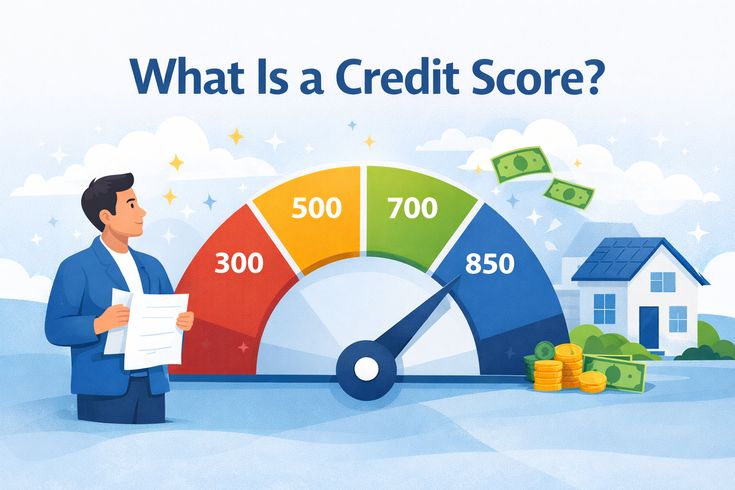
Your credit score is one of the most important numbers in your financial life. In the United States, credit scores affect your ability to borrow money, rent apartments, buy cars, qualify for credit cards, and even get lower insurance rates.
A good credit score can save you thousands of dollars over time, while a poor score can make borrowing expensive and difficult. Understanding how credit scores work is essential for anyone who wants to build strong financial health.
What Is a Credit Score?
A credit score is a number that represents how trustworthy you are when borrowing money. Lenders use this score to decide:
- whether to approve your loan
- how much money to lend you
- what interest rate to charge
The most common scoring system in the US is called the FICO Score, which ranges from 300 to 850.
Generally:
- 300–579 = Poor
- 580–669 = Fair
- 670–739 = Good
- 740–799 = Very Good
- 800–850 = Excellent
The higher your score, the better your financial opportunities become.
Why Credit Scores Matter
Your credit score impacts many areas of life, including:
- credit card approvals
- car loans
- mortgages
- apartment rentals
- personal loans
- insurance pricing
People with higher scores usually receive:
- lower interest rates
- higher credit limits
- better loan approvals
- more financial flexibility
Even a small improvement in your credit score can save a large amount of money over time.
How Credit Scores Are Calculated
Several factors determine your credit score. Understanding these factors can help you improve your score faster.
1. Payment History
Payment history is the most important factor.
Lenders want to know if you pay your bills on time. Late payments, missed payments, and defaults can seriously damage your score.
Consistently paying on time is one of the fastest ways to build strong credit.
2. Credit Utilization
This refers to how much of your available credit you are using.
For example:
- if your credit card limit is $1,000
- and you use $800
your utilization is 80%.
Experts usually recommend keeping utilization below 30%.
Lower utilization shows lenders that you manage debt responsibly.
3. Length of Credit History
The longer your credit history, the better.
Lenders prefer borrowers with a long track record of responsible credit use. This is why keeping old accounts open can sometimes help your score.
4. Credit Mix
Having different types of credit may improve your score.
Examples include:
- credit cards
- auto loans
- mortgages
- student loans
A healthy mix shows lenders that you can manage different financial responsibilities.
5. New Credit Inquiries
Every time you apply for new credit, lenders perform a “hard inquiry” on your report.
Too many applications in a short time can temporarily lower your score because it may appear financially risky.
How to Build Credit in the US
Building credit takes time, but strong habits make a huge difference.
Pay Bills on Time
Your payment history is critical. Even one missed payment can hurt your score.
Keep Credit Utilization Low
Avoid maxing out your credit cards. Lower balances improve your score.
Avoid Too Many Applications
Applying for multiple cards or loans quickly can negatively impact your credit profile.
Start Small
Many beginners begin with:
- secured credit cards
- student credit cards
- beginner-friendly cards
Responsible usage over time helps build positive credit history.
Common Credit Score Mistakes
Many people accidentally damage their scores by:
- missing payments
- maxing out cards
- closing old accounts
- applying for too much credit
- ignoring credit reports
Good credit requires patience and consistency.
How Long Does It Take to Build Good Credit?
There is no instant shortcut.
Most people can start seeing improvements within several months of responsible credit use, but building excellent credit often takes years.
The key is maintaining strong financial habits consistently.
Final Thoughts
Your credit score is more than just a number. It is a reflection of your financial habits and responsibility.
In the US financial system, good credit can open doors to:
- better loans
- lower interest rates
- financial opportunities
- long-term savings
Understanding how credit scores work is one of the most important steps toward financial success.




Leave a Reply