
Budgeting is one of the most crucial skills to have in life, but unfortunately many individuals are found paltering with budgeting because they feel it breeches their freedom, causes stress or is way too complex. The fact is that a good budget does not constrain your life — it frees up money and gives you control.
A budget that works isn’t about tracking every single dollar or stopping yourself from spending money on everything you enjoy. It gives you a financial plan which ultimately allows you to spend your money in the right way, save regularly and work towards your long-term targets all without putting yourself under pressure.
With living costs skyrocketing and millions feeling the unrelenting squeeze of financial uncertainty, mastering money management skills is more crucial than before in this economy. Whether your focus is debt repayment, saving cash, investing or just lowering the stress of personal finance in general, budgeting well is the foundation for anything you want to do financially.
Why Most Budgets Fail
Most people begin budgeting positively only to abandon it within weeks. It is true that most budgets are totally unrealistic reasons for that.
People often:
Too many cuts too fast
- set draconian spending restrictions
- Planning for the unexpected
- underestimate what they actually spend
A good budget will work with your lifestyle and be a long term solution that feels sustainable. Financial progress is a result of doing things right over and over, not getting them 100% right.
Your best budget is one you can actually stick to month after month.
Step 1 — Know Your Income (Monthly)
Well, prior to talking about a budget, you need to know what your actual earnings are each month.
This includes:
- salary or wages
- freelance income
- side hustle earnings
- business income
- passive income sources
If your income fluctuates month to month, average it over the past few months.
This is essential to understand due to the fact that ample financial problems take place when people spend money without having a duplicate in their wallet, as well as knowing your actual capabilities.
You can use the amount of income you are bringing in to start planning where the money will go.
Step #2: Follow How You Spend Your Money
The second big reason how people are struggling from their finances is they are underestimating their spending.
These small daily costs tend to look innocent:
- coffee runs
- food delivery
- subscriptions
- online shopping
- impulse purchases
But gradually, these costs accumulate to a large extent.
Tracking your spending for a minimum of 30 days will help you find patterns that otherwise may go unnoticed. Most people are shocked at what goes down the drain monthly on items that really aren’t needed.
After having more than 380 conversations so far with people from all walks of life around the world, it appears that awareness could well be one of the most influential financial instruments ever. You can not improve what you do not have insight into.
Step 3 — Distinguish Between Needs & Wants
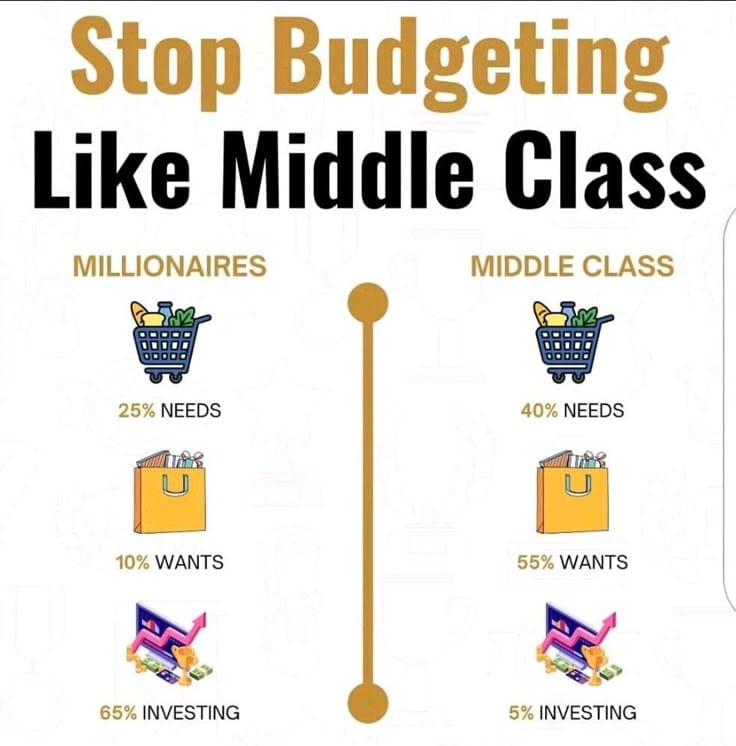
Good budgeting is about knowing when the difference between an essential and optional spending.
Essential Needs
To those are the living expenses:
- rent or mortgage
- groceries
- transportation
- insurance
- utilities
- healthcare
Wants
These are lifestyle decisions and discretionary spendings:
- luxury shopping
- expensive dining
- entertainment subscriptions
- unnecessary upgrades
- impulse purchases
You do not have to remove every pleasurable aspect of your life, however. The objective is focused spending versus emotional spending.
Wealth builders know how to choose #financialsecurity first instead of momentary satisfaction.
STEP 4: Build a Practical Budget
A budget should be easy to use consistently.
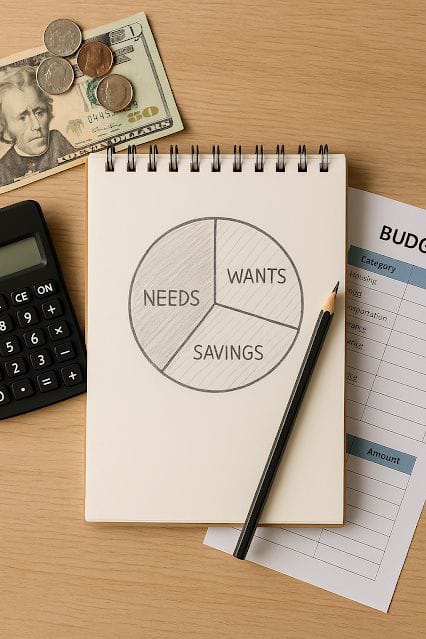
A common method is the allocation of your income into buckets:
- living expenses
- savings
- investing
- debt payments
- personal spending
Or, the secret is to give every dollar a job.
Your budget should tell your money where to go instead of wondering where it went.
A realistic budget also allows for that wiggle room, because life has a way of throwing you a curve ball (or 30).
Step Five: Save Before You Spend
Paying yourself First- The smartest of financial habits
Traditionally, most people tend to buy things in the month and save whatever is left. However, usually very little — or nothing — is remaining.
A better strategy is:
- save first
- invest first
- spend afterward
Treating savings like a necessity is practice that pays off big time little by little over the months.
All those small but regular savings can quickly add up over the years.
Step Six: Create an Emergency Fund
Anything can happen at any time:
- medical emergencies
- car repairs
- job loss
- family emergencies
In hard times, many must turn to debt in the absence of savings.
Emergency funds allow for added stability and peace of mind. If an unforeseen expense raises its ugly head, then it prevents the collapse of your budget.
Sometimes the topic of security in cash will depend contrast with making a fantastic deal more money — but also on being greater organized.
Lifestyle Inflation: Why You Should Avoid It in 7 Steps
When people get new income, they often immediately raise their expenses.
They buy:
- more expensive cars
- luxury items
- larger homes
- unnecessary upgrades
This phenomenon is called lifestyle inflation and it stops many people from ever accumulating true wealth despite their earning higher incomes.
Rather than saving all additional raises or bonuses, financially savvy people are most likely to:
- increase savings
- invest more
- build assets
- create additional income streams
Discipline, not upgrading all the time is how wealth is created.

Step 8: Eliminate Unwanted Debt
How Debt Can Finishes Your Financial Run In No Time
High interest debt, such as credit cards alone can throw a wrench in your budgeting practices where large portion of income goes to pay interest.
Good budgeting includes:
- avoiding unnecessary borrowing
- paying bills on time
- reducing high-interest debt aggressively
The less interest you pay, the more money that you in turn have available for saving and investing.
Step 9: Review Your Budget регулярно
Your income is subject to change.
Your budget should change with your circumstances, since income, expenses and goals may change throughout the year.
There are a couple of reasons to review your budget monthly:
- identify overspending
- adjust financial goals
- improve spending habits
- stay financially organized
You are trained to learn about budgeting but it is not a one-time activity. It’s a journey of building a better relationship with money.
Step 10: WINNING THIS In the Long Run
Budgeting becomes much easier with a purpose.
Your goals may include:
- becoming debt-free
- buying a home
- building investments
- starting a business
- retiring early
- achieving financial freedom
Goals serve as motivation, and also they drive you to take better financial decisions every day.
Budgeting becomes more of a progress and less of a sacrifice when you know where you’re headed, financially.
Develop Better Financial Awareness for Your Future
Having a successful budget is not about depriving yourself of happiness and eliminating all the fun things from your life. Rather, it is about becoming aware, in control and confident with your money.
A strong budget helps you:
reduce financial stress
avoid unnecessary debt
build savings consistently
prepare for emergencies
create long-term financial stability
Realistic, flexible budgets that are molded around your lifestyle and goals will yield the most successful results. Financial growth is not the result of one glorious month — it is just sustained prudent choices.
No matter how much money you make today, knowing how to manage that money properly willfully change your future. The sooner you pay off credit cards, the easier it will be to make wealth, freedom and security in years to come.



Leave a Reply